


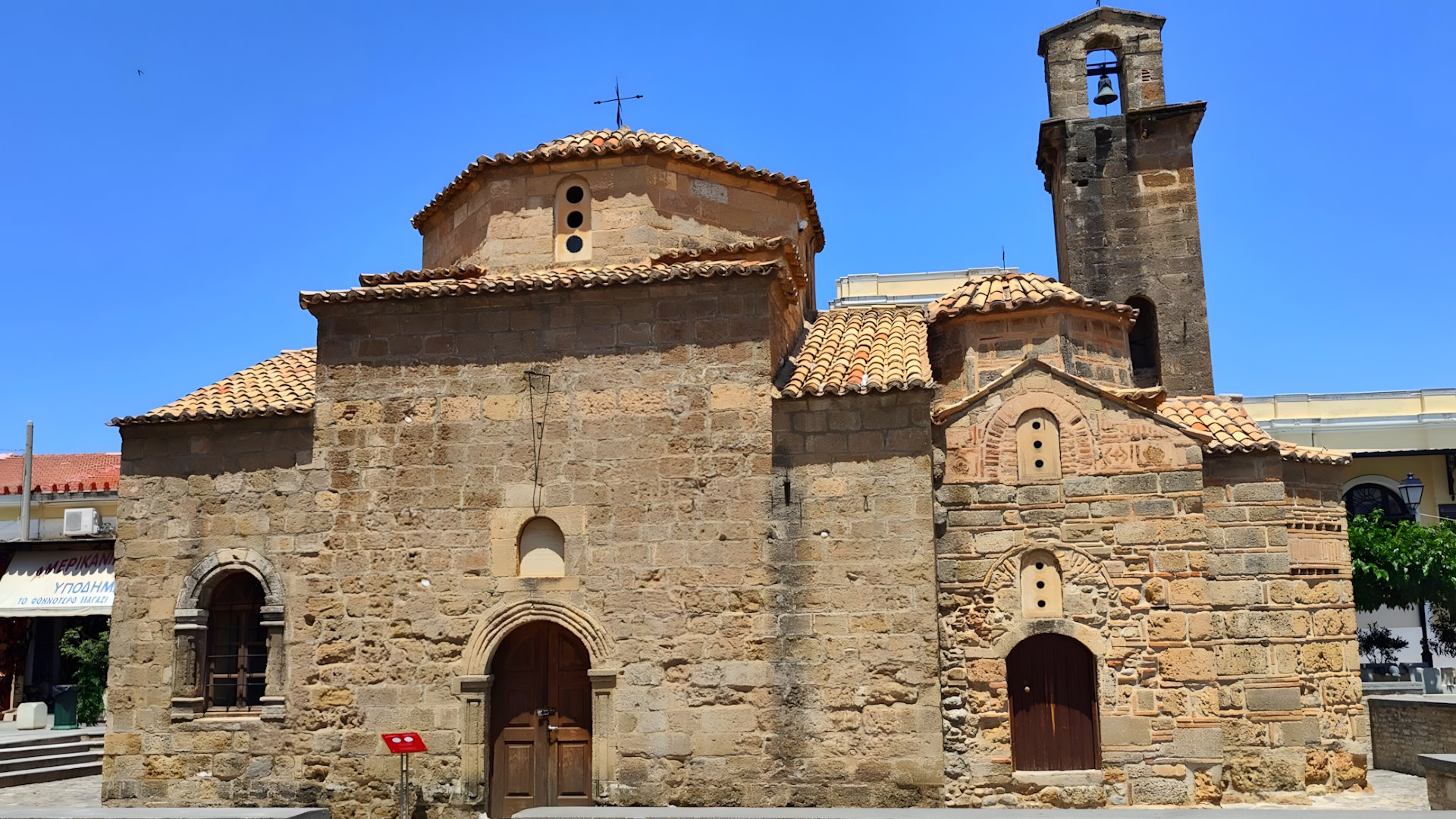
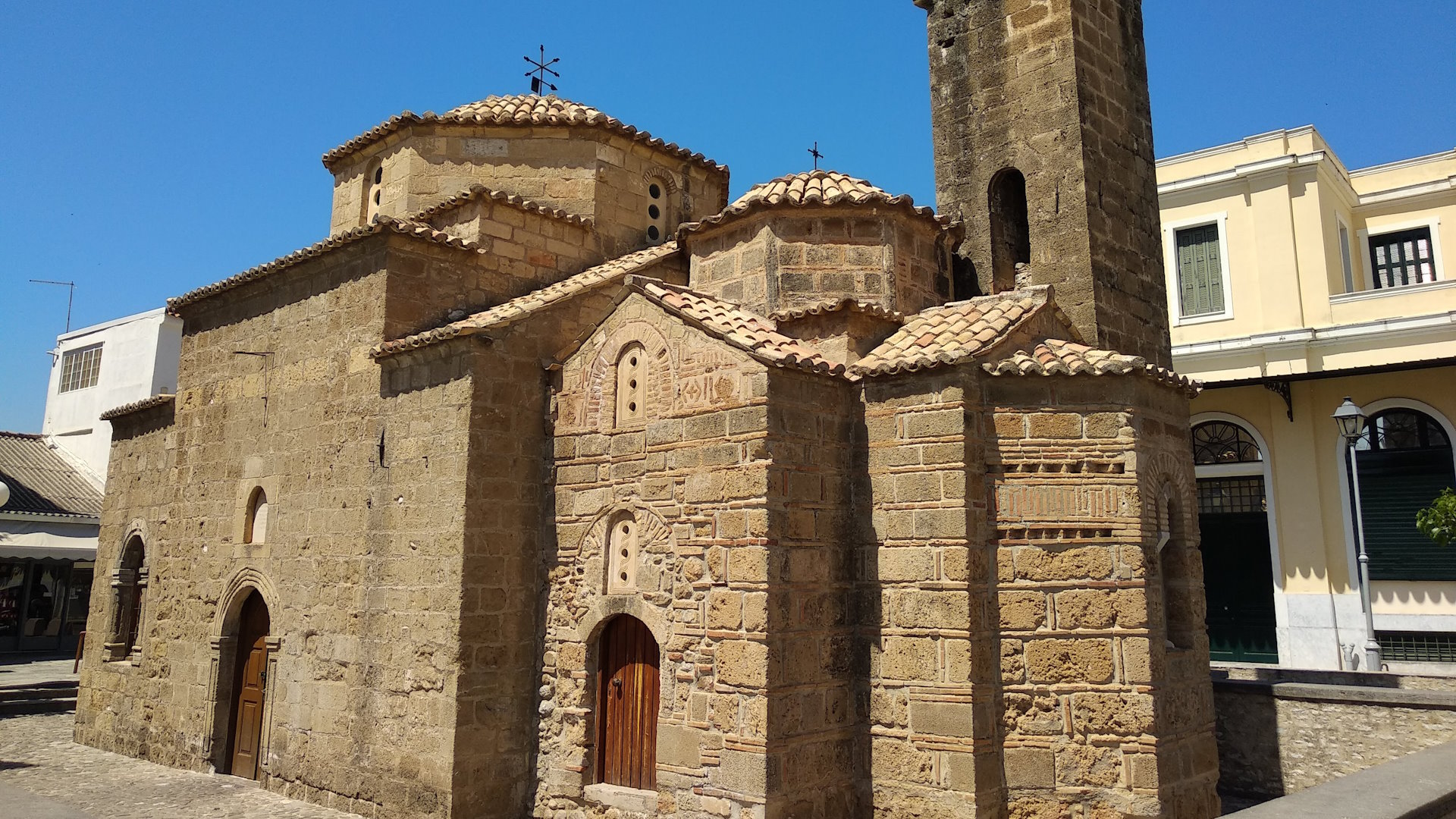
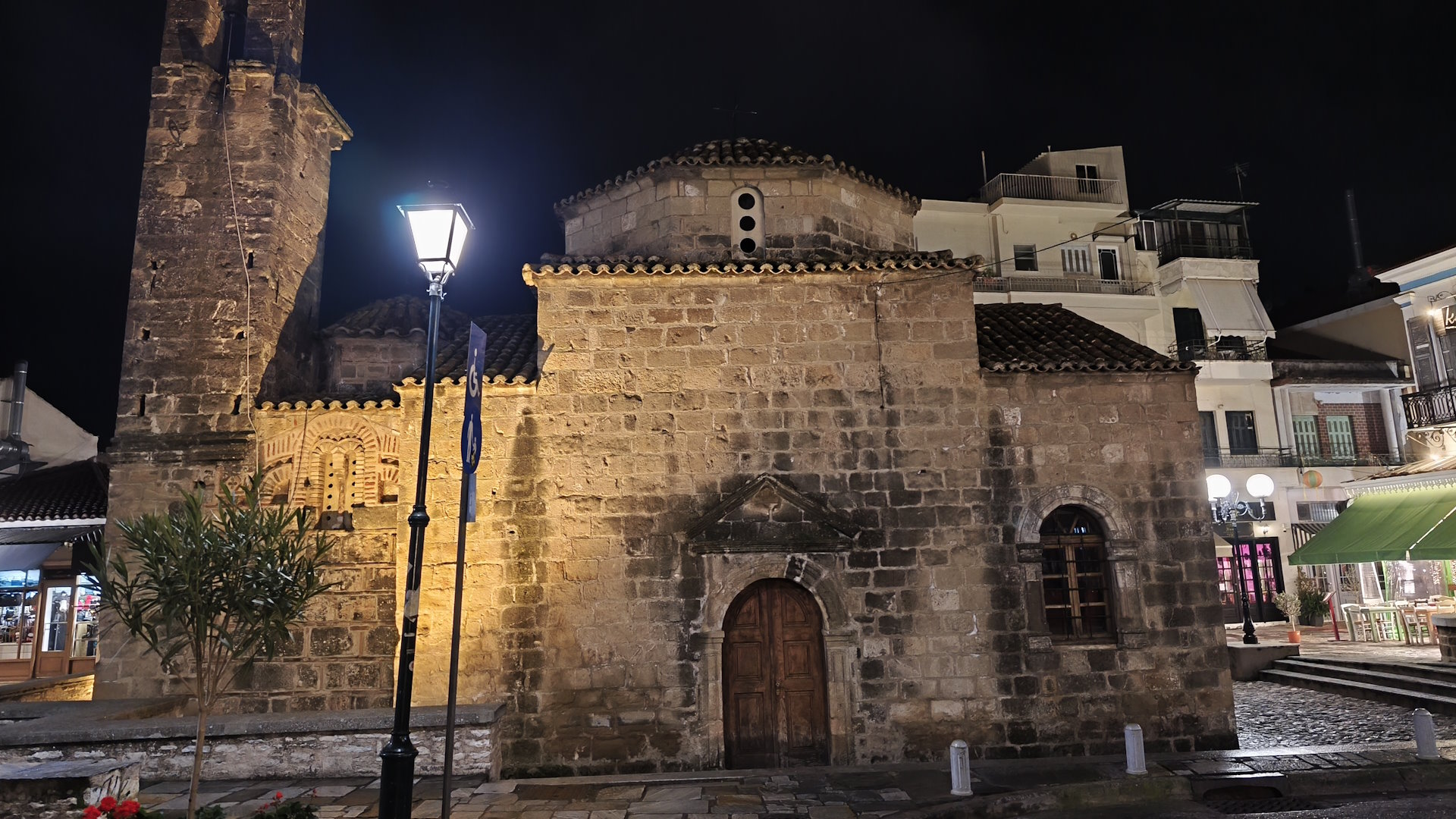
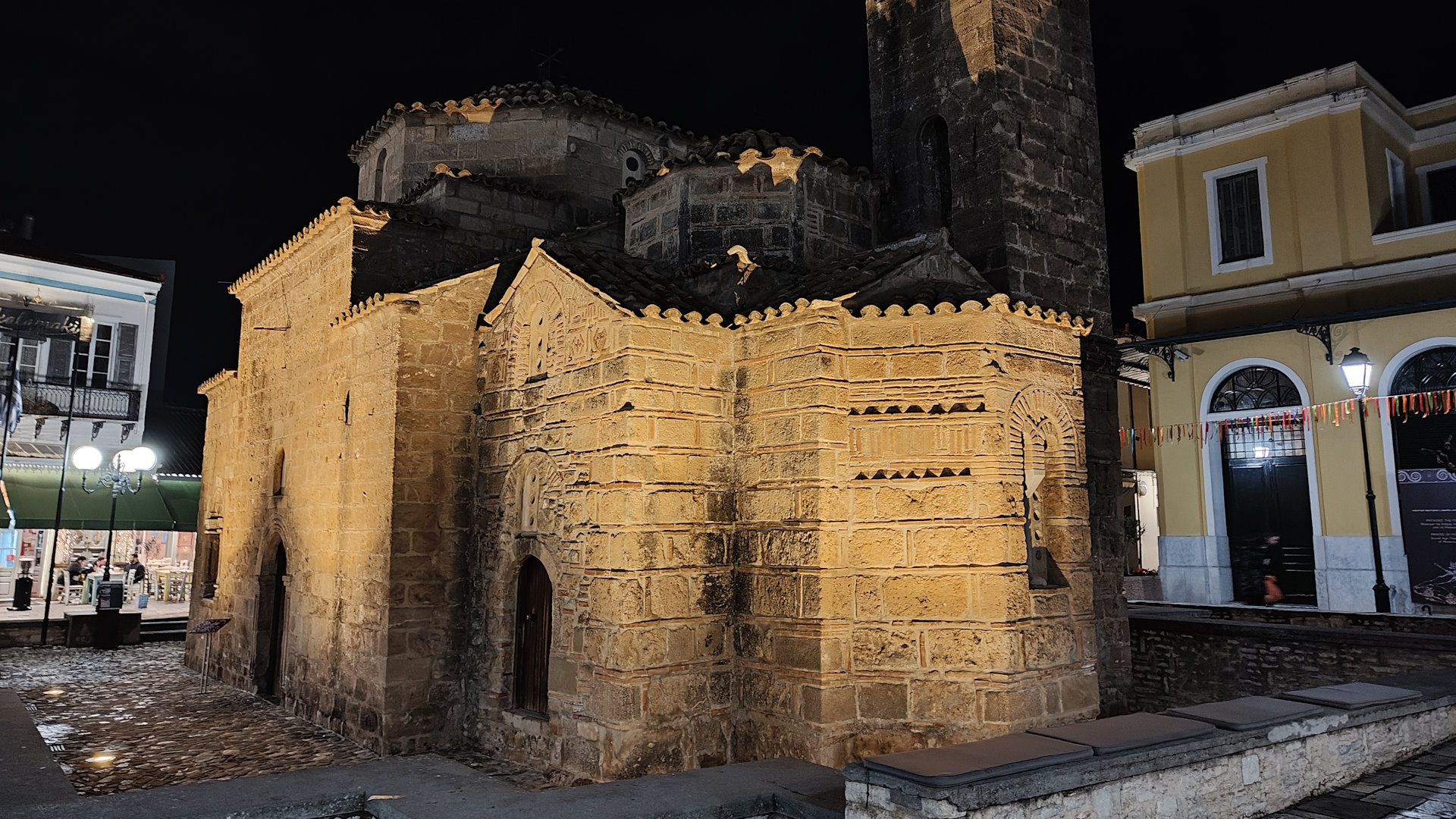
This small Byzantine church is a symbol of faith, historical continuity and cultural heritage for the city's residents, and is also of particular importance in Greek history, as it is directly linked to the Greek Revolution of 1821.
History of the Church of the Holy Apostles
The Church of the Holy Apostles dates back to the 11th century, during the Byzantine Empire, and is a typical example of Byzantine architecture. The church is dedicated to Saints Peter and Paul, but was established in local tradition as "Holy Apostles". Built in the heart of the old city of Kalamata, it is a monument that maintains its authenticity and architectural richness.
The church has suffered damage from various earthquakes over the centuries, most notably the reconstruction that followed the 1986 earthquake. Despite the renovations, the original form of the church has been preserved and is today one of the few surviving Byzantine monuments in the area.
Historical Significance in the Revolution of 1821
The importance of the church of the Holy Apostles is not only religious but also national, as it is associated with the beginning of the Greek Revolution. On March 23, 1821, the revolutionaries led by Petrobey Mavromichalis, Kolokotronis, Nikitaras, Papaflessas and other chieftains triumphantly entered Kalamata and there, in the church of the Holy Apostles, the doxology for the liberation of the city from the Ottomans was performed.
This event marked the first official moment of the Revolution in the Morea, making the church a symbol of the beginning of the struggle for the independence of Greece. Every year on March 23, the reenactment of the liberation of the city of Kalamata takes place, right in front of the Church of the Holy Apostles, with a large crowd participating in the events.
The architecture of the church, with its elaborate frescoes and Byzantine details, is a sight to behold for locals and visitors. Many tourists come to Kalamata to see this historical monument up close, which has been included in the list of listed buildings and is a protected monument.